Deadwood Removal in Reno, NV
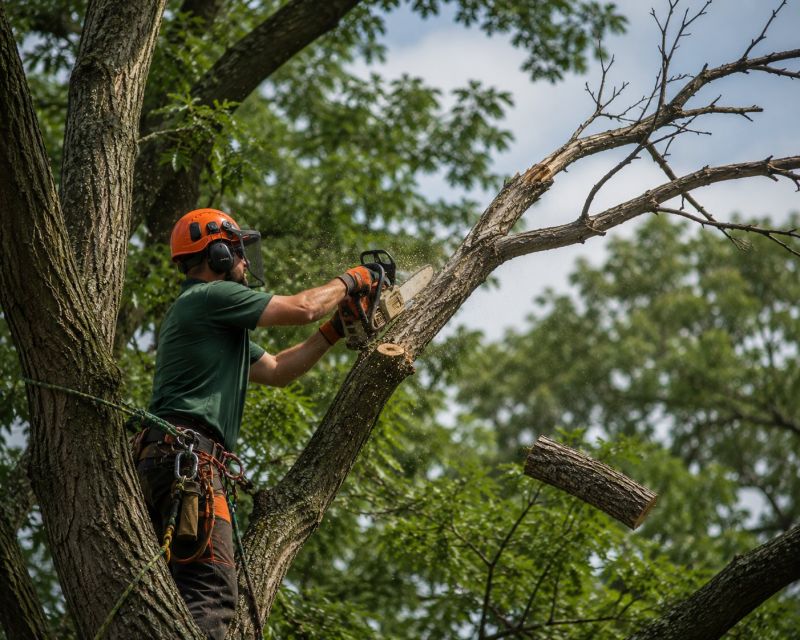
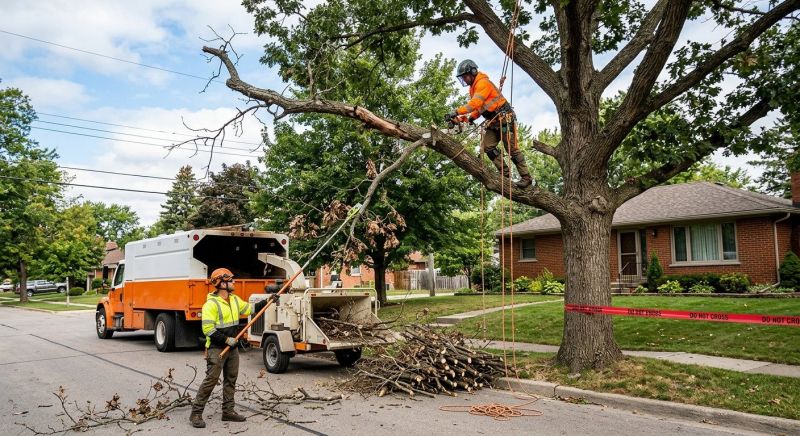
Deadwood removal services involve the safe and efficient removal of dead or decaying trees, branches, and stumps from residential properties. These projects often include clearing fallen trees after storms, removing hazardous limbs that pose a risk to property or safety, and stump grinding to eliminate unsightly or obstructive remnants. Property owners typically seek this service to improve landscape aesthetics, prevent damage to structures, or ensure safety around their homes and yards.
Before requesting deadwood removal, property owners should consider the size and location of the trees or branches in question, as well as any potential obstacles or access issues on the property. It is also helpful to understand the scope of work needed, such as whether only specific limbs require removal or if entire trees need to be taken down. Clarifying these details can help ensure the service meets the specific needs of the property and maintains safety standards.
Many property owners in Reno, NV look into Deadwood Removal for repairs, replacements, upgrades, and appearance-related improvements.
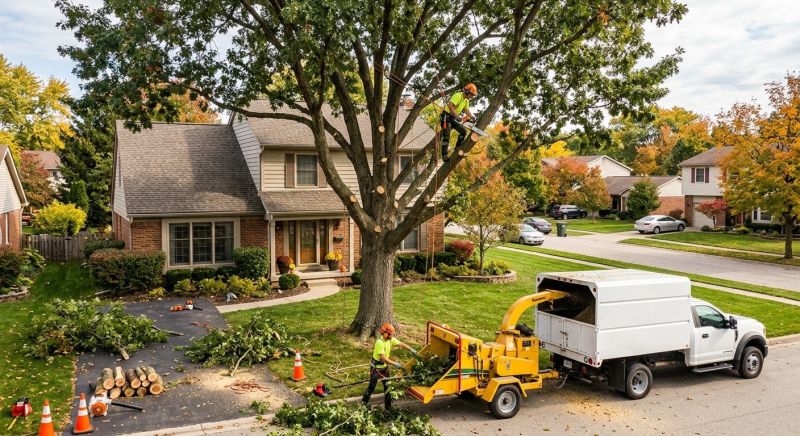
Types Of Deadwood Removal
Services include removal of fallen branches, hazardous trees, and overgrown shrubbery to maintain safety and appearance.
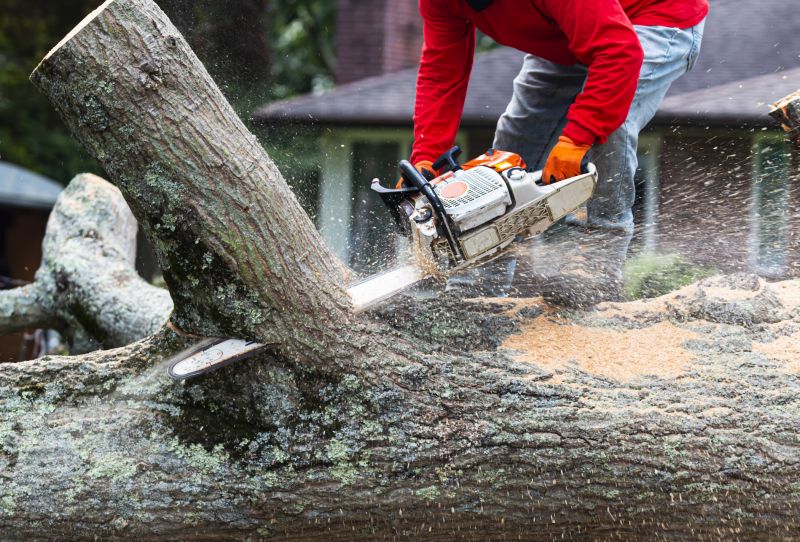
Benefits Of Deadwood Clearing
Removing deadwood reduces fire risk, prevents damage to property, and enhances landscape aesthetics around reno homes.
Common Projects
Deadwood removal is often requested for storm cleanup, yard renovation, and preparing properties for new landscaping.
Deadwood Removal in Reno, NV
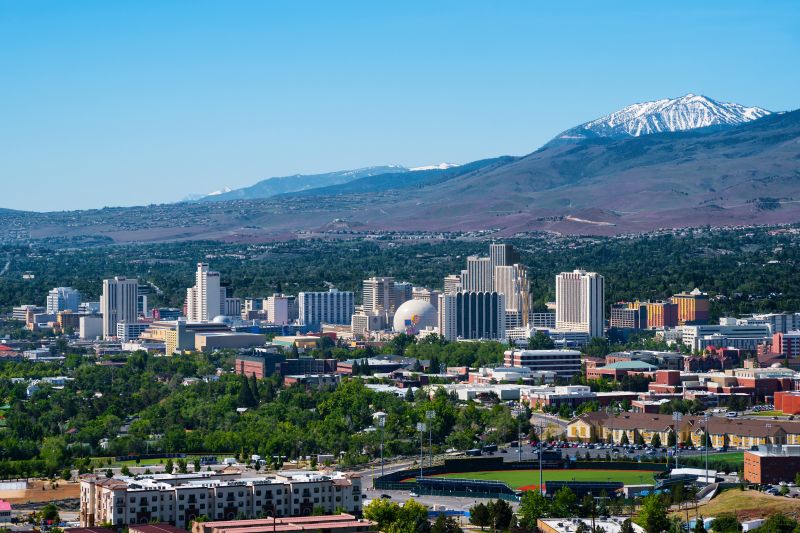
Deadwood removal services involve the safe and efficient removal of dead or decaying trees, branches, and stumps from residential properties. These projects often include clearing fallen trees after storms, removing hazardous limbs that pose a risk to property or safety, and stump grinding to eliminate unsightly or obstructive remnants. Property owners typically seek this service to improve landscape aesthetics, prevent damage to structures, or ensure safety around their homes and yards.
Before requesting deadwood removal, property owners should consider the size and location of the trees or branches in question, as well as any potential obstacles or access issues on the property. It is also helpful to understand the scope of work needed, such as whether only specific limbs require removal or if entire trees need to be taken down. Clarifying these details can help ensure the service meets the specific needs of the property and maintains safety standards.
Many property owners in Reno, NV look into Deadwood Removal for repairs, replacements, upgrades, and appearance-related improvements.
Common Deadwood Removal Jobs
Deadwood Removal - Clearing away dead or hazardous trees to improve property safety and appearance.
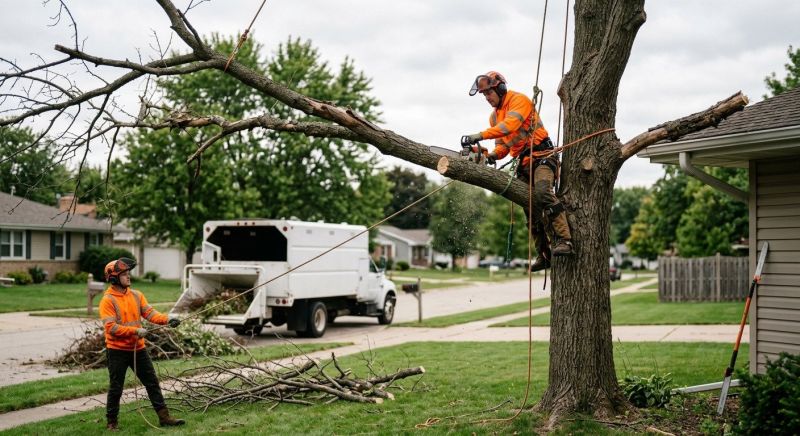
Storm Damage Cleanup - Removing fallen or broken branches after storms to prevent further damage.
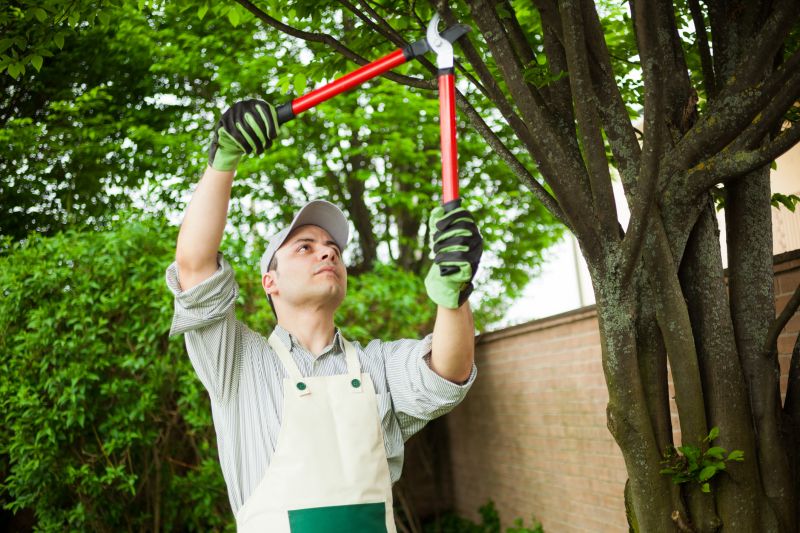
Tree Pruning - Cutting dead or diseased limbs to promote healthy growth and structural integrity.
Hazard Tree Removal - Eliminating trees that pose a risk to structures or nearby people.
Stump Grinding - Removing tree stumps to enhance landscape usability and prevent pest issues.
Land Clearing - Clearing overgrown areas for development, landscaping, or improved access.
Deadwood Removal Questions
What types of debris can be removed during deadwood removal services? Deadwood removal typically includes removing fallen branches, broken limbs, and dead trees from the property.
Why is deadwood removal important for property maintenance? Removing deadwood helps prevent pest infestations, reduces fire hazards, and maintains the health of surrounding trees.
Is deadwood removal suitable for all types of trees? Yes, deadwood removal can be performed on most tree species to improve safety and tree health.
What should property owners consider before scheduling deadwood removal? It is important to assess the extent of deadwood and ensure proper disposal to maintain safety and aesthetics.
Request Deadwood Removal in Reno, NV
Use the quote form on this page to share the basics of your project and request more information for the type of work you need.