Dead Branch Removal in Allentown, PA
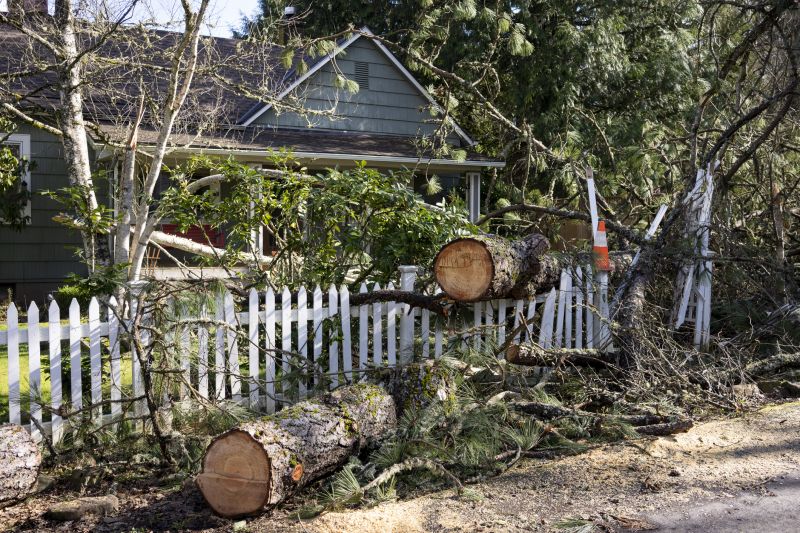
Dead branch removal services involve safely trimming or removing dead, damaged, or overgrown branches from trees and shrubs. This process helps improve the health and appearance of trees, reduces the risk of falling branches that could cause damage or injury, and maintains the overall safety of the property. Projects typically include removing broken limbs after storms, thinning out dense canopies, or eliminating branches that interfere with power lines, structures, or landscaping features. Homeowners considering this service often want to understand which branches pose safety concerns, the best timing for removal, and how the process might affect the health of their trees.
Before requesting dead branch removal, property owners should assess which trees or shrubs have problematic branches and consider the extent of the work needed. It’s helpful to identify any branches that are visibly broken, hanging low, or close to utility lines or rooftops. Understanding the scope of the project, including the number and size of branches to be removed, can assist in planning and ensuring the work aligns with property safety and aesthetic goals. Proper removal can enhance both safety and the visual appeal of outdoor spaces.
Many property owners in Allentown, PA look into Dead Branch Removal for repairs, replacements, upgrades, and appearance-related improvements.
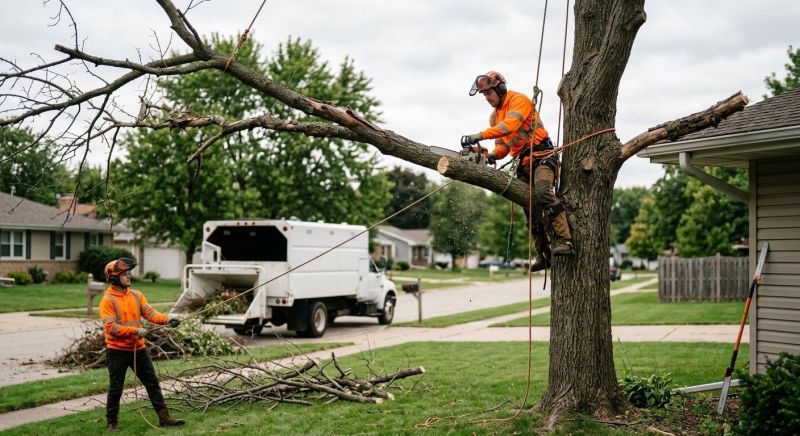
Safety And Property Protection
Removing dead branches reduces the risk of falling and property damage during storms.
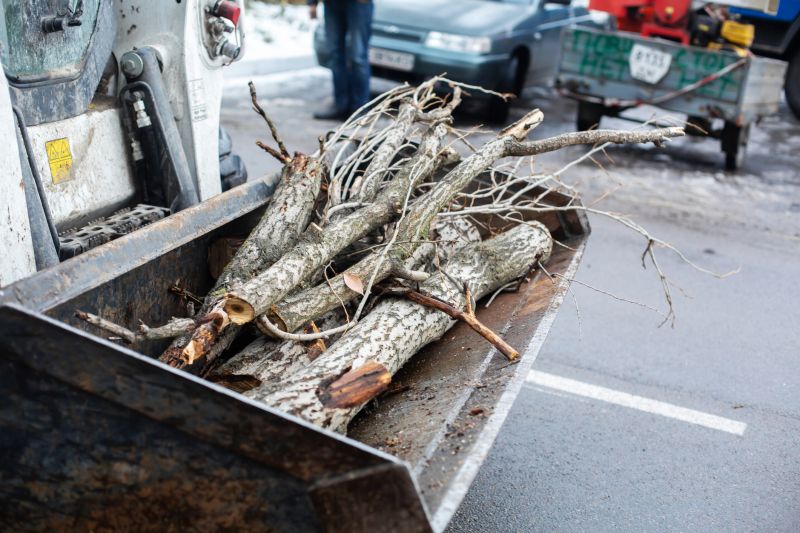
Tree Health And Maintenance
Pruning dead branches helps maintain the overall health and appearance of trees.
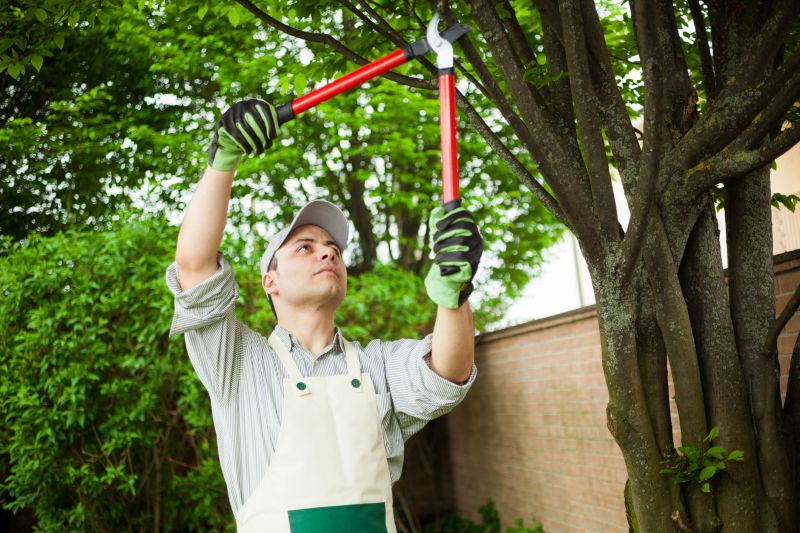
Aesthetic Enhancement
Removing unsightly dead branches improves the visual appeal of yards and landscapes in allentown.
Dead Branch Removal in Allentown, PA
Dead branch removal services involve safely trimming or removing dead, damaged, or overgrown branches from trees and shrubs. This process helps improve the health and appearance of trees, reduces the risk of falling branches that could cause damage or injury, and maintains the overall safety of the property. Projects typically include removing broken limbs after storms, thinning out dense canopies, or eliminating branches that interfere with power lines, structures, or landscaping features. Homeowners considering this service often want to understand which branches pose safety concerns, the best timing for removal, and how the process might affect the health of their trees.
Before requesting dead branch removal, property owners should assess which trees or shrubs have problematic branches and consider the extent of the work needed. It’s helpful to identify any branches that are visibly broken, hanging low, or close to utility lines or rooftops. Understanding the scope of the project, including the number and size of branches to be removed, can assist in planning and ensuring the work aligns with property safety and aesthetic goals. Proper removal can enhance both safety and the visual appeal of outdoor spaces.
Many property owners in Allentown, PA look into Dead Branch Removal for repairs, replacements, upgrades, and appearance-related improvements.
Common Dead Branch Removal Jobs
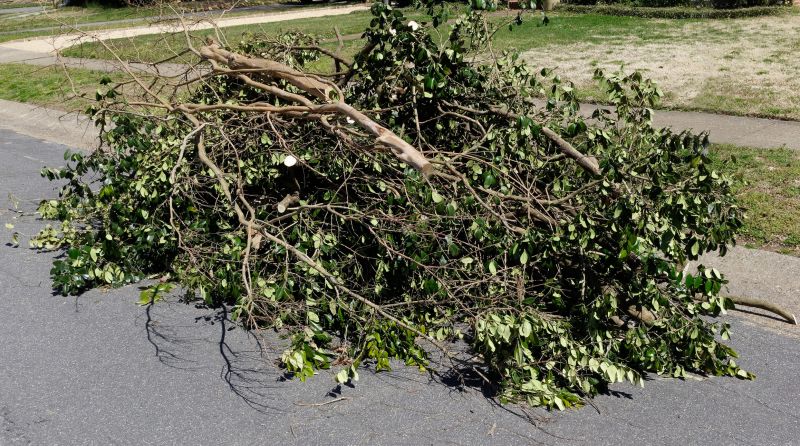
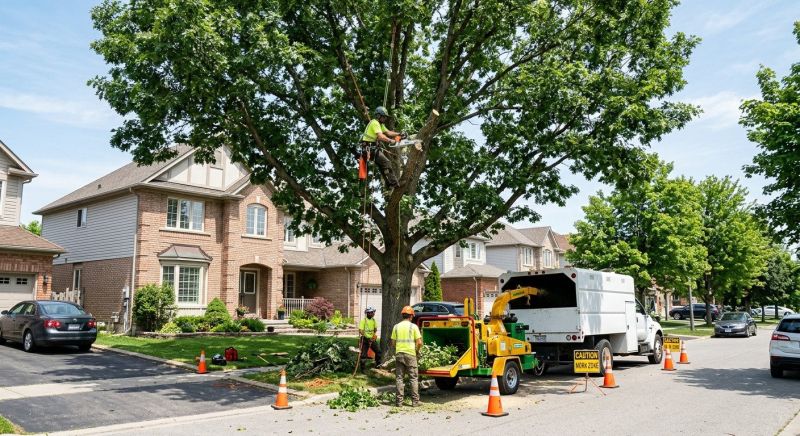
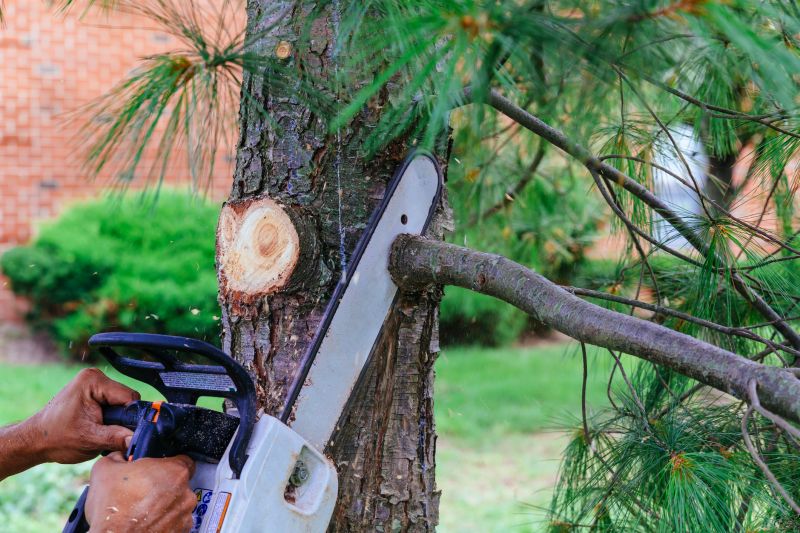
Dead Branch Removal Questions
Why should dead branches be removed? Removing dead branches helps prevent potential damage to the tree and nearby structures, reducing the risk of falling debris during storms.
When is the best time for dead branch removal? Dead branches can be removed at any time of year, but it is often best done during the dormant season or when they pose an immediate hazard.
Are dead branch removal services safe for trees? Proper removal techniques ensure the health of the tree is maintained while safely removing hazardous branches.
What signs indicate a dead or dying branch? Signs include discoloration, brittleness, or the absence of leaves during the growing season, indicating the branch may need removal.
Request Dead Branch Removal in Allentown, PA
Use the quote form on this page to share the basics of your project and request more information for the type of work you need.